

Beyond the Familiar in Tokyo’s Asakusa: A New Tour Introduces Visitors to Geisha, Hōkan Entertainers and Traditional Craftspeople

You may have passed through Kaminarimon Gate many times without meeting the people who keep Asakusa’s culture alive.
TOKYO, Oct. 29, 2026 /PRNewswire/ — Tokyo’s Asakusa district is known for Sensō-ji Temple, Nakamise shopping street and Kaminarimon Gate. Beyond these landmarks, a living cultural heritage continues through the work of geisha, traditional male banquet entertainers known as hōkan, and craftspeople at long-established workshops. ROJICOYA, which organizes cultural experiences, walking tours and events centered on Edo culture and traditional performing arts, primarily in Tokyo, is preparing to launch a pilot tour that connects visitors with these cultural practitioners, their skills and the history of the neighborhood.
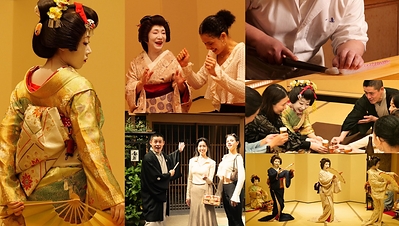
The tour combines a traditional craft workshop, a neighborhood walk led by a rakugo storyteller or hōkan, and an introduction to ozashiki—the intimate setting in which geisha and hōkan entertain guests. Participants experience the craftsmanship of Hakocho, a long-established specialist in paulownia wood crafts, explore the areas around Sensō-ji, Rokku and Kannon-ura, and enjoy geisha and hōkan performances up close. With the people who sustain these traditions as their guides, visitors discover aspects of Asakusa that sightseeing alone may overlook.
The initiative aims to offer fresh discoveries even to travelers who have visited Asakusa before, while creating connections between visitors and the people carrying its culture forward. Bookings for the pilot tour will open at a later date. Please visit ROJICOYA’s official website for updates on availability, tour details, duration, participation requirements and booking information.
The Tourism Media Service editorial team asked the organizer about the experiences and ideas behind this special program.
Act I: The Asakusa You Thought You Knew
Sensō-ji Temple, Nakamise and Kaminarimon Gate: after several visits to Japan, some travelers may feel they have seen everything Asakusa has to offer. Yet its long history as a center of entertainment, stretching back to the Edo period, is not always apparent from its best-known sights.
In the mid-19th century, policies introduced by the Tokugawa shogunate, which then governed Japan, led to the relocation of Edo’s three leading kabuki theaters to Asakusa. Kabuki, a traditional Japanese theatrical art combining music, dance and elaborate costumes, drew audiences to the area and helped establish Asakusa as a thriving theater district.
From the Meiji era onward, cinemas and variety theaters clustered around the Rokku area, further developing Asakusa’s identity as a center of popular entertainment.
Against this backdrop, the traditions of the karyūkai—the geisha community and the wider network supporting it—continued to flourish. The performing arts refined by geisha, together with their skill in entertaining guests, remain part of Asakusa’s cultural life today.
The Karyūkai Is a Collective Effort
The karyūkai depends on the collaboration of many people. Alongside geisha who specialize in dance, known as tachikata, are jikata, who provide shamisen music and singing. Young apprentices called hangyoku, the counterparts of Kyoto’s maiko, are also part of this community.
Equally important are the kenban, which coordinate geisha engagements at traditional restaurants and support their training; the restaurants that host gatherings; and the specialists who prepare kimono and style hair. In Asakusa, this network centers on the Asakusa Kenban in Kannon-ura, north of Sensō-ji Temple. Each contributes to the continuation of the district’s performing arts and hospitality.
Hōkan: A Rare Tradition of Male Banquet Entertainment
An essential part of Asakusa’s karyūkai is the hōkan, also known as taikomochi. These traditional male entertainers enliven gatherings through witty conversation, dance and comic performances, creating connections between guests and geisha.
Their role combines elements of an emcee, comedian and attentive host. They do more than present a performance: they read the mood, respond to guests and weave conversation and entertainment into an occasion everyone can enjoy. They also complement the geisha’s performances and help first-time guests feel comfortable in an unfamiliar cultural setting.
Whereas rakugo storytelling and manzai comedy are generally presented from a stage to an audience, ozashiki entertainment develops through direct interaction with guests. The art of zamochi—keeping a gathering lively and welcoming—requires both performance skills and close attention to the people present. Although practitioners are few, these traditions of entertainment and hospitality continue in Asakusa.
Part of the Sanja Matsuri Procession
Asakusa’s geisha community is closely connected to the neighborhood’s festivals as well as its ozashiki gatherings. One opportunity to see this connection is the Sanja Matsuri, Asakusa Shrine’s annual festival, held each May.
Asakusa’s geisha take part in the Grand Procession on the opening Friday, bringing color to the streets with tekomai, a traditional festival procession performance, and group dances. Usually encountered entertaining guests indoors, they appear at the festival as participants in the community’s shared traditions, visible to residents and visitors alike.
Geisha culture has never existed solely within the walls of traditional restaurants. Supporting festivals and contributing to the life of the neighborhood are also part of its place in Asakusa.
Act II: A Journey Through Three Doors
The tour brings together three experiences: traditional crafts, a neighborhood walk and ozashiki culture. Guiding the journey are the people actively sustaining Asakusa’s traditions today.
Door One: Try Kiri Kimekomi at Hakocho
Founded in 1874, Hakocho is a long-established specialist in paulownia wood crafts, located on Orange Street, a two-minute walk from Kaminarimon Gate. Its signature technique, kiri kimekomi, involves carefully tucking the edges of pure silk kimono fabric into grooves carved into paulownia wood to create decorative patterns. Adapted from a technique developed in doll-making, it combines the natural character of wood with the colors and patterns of fabric.
During the workshop, participants select fabrics for a pre-carved wooden piece and work them into the design. Creating auspicious motifs such as bells, gourds and folding fans offers a hands-on introduction to skills passed down by craftspeople. The finished piece becomes a personal keepsake of time spent in Asakusa.
In addition to Hakocho, ROJICOYA works with local businesses specializing in crafts such as Edo kiriko cut glass and tenugui cloths. These relationships support the development of tours that introduce visitors to Asakusa’s craft traditions and makers.
Door Two: Explore Asakusa’s Entertainment Heritage with a Rakugo Storyteller or Hōkan
The walking tour visits places associated with Asakusa’s performing arts, including Sensō-ji, Rokku and Kannon-ura, accompanied by a rakugo storyteller or hōkan. Beyond the history of individual landmarks, their accounts offer an insider’s perspective on the relationship between the neighborhood and its entertainment traditions.
Stops include Chingodō, affectionately known as “Otanuki-sama,” where people pray for protection from fire and improvement in the performing arts, and the Hōkan-zuka monument, which commemorates the history of hōkan entertainers. A short distance from the busy streets, visitors encounter places that reflect performers’ aspirations and preserve the memory of those who came before them.
Listening to the guide brings together the arts presented on stage or at ozashiki gatherings and the history of the neighborhood that nurtured them, adding another dimension to familiar Asakusa scenery.
Act III: Ozashiki—Where the Journey Comes Together
The journey concludes with an introduction to ozashiki culture and the performing arts and hospitality of the karyūkai. With a hōkan as their guide, participants meet geisha and enjoy their performances alongside the wit, humor and artistry of hōkan entertainment at close range.
The craftsmanship encountered in the workshop and the entertainment history explored on the walk find a further connection in the people continuing these traditions at ozashiki gatherings. Performers and guests share the same space, offering a personal encounter with Asakusa that goes beyond visiting its landmarks.
For newcomers, the karyūkai may seem difficult to access. A hōkan’s guidance provides a welcoming introduction to its customs and pleasures. Participants discover not only the performances themselves, but also a form of hospitality shaped by conversation and interaction between people.
The experiences described above are examples from the planned pilot tour. Bookings have not yet opened. Please check ROJICOYA’s official website for the latest details and booking announcements.
Epilogue: Meet the People Carrying Culture Forward
Passing on traditional culture requires more than practitioners who refine their skills. It also depends on people who appreciate and support their work. Expertise developed over many years, together with relationships rooted in local life and commerce, helps these traditions continue into the next generation.
Through cultural experiences, neighborhood walks and events centered on Edo culture and traditional performing arts, ROJICOYA has connected visitors with cultural practitioners. This initiative likewise aims to introduce not only performances and craft objects, but also the people who preserve and develop them, and the dedication behind their work.
Participants experience craftsmanship firsthand, trace the neighborhood’s history and enjoy the performing arts and hospitality of ozashiki culture. Through these encounters, they discover traditions that remain part of everyday Asakusa.
On your next visit, venture a little beyond your usual route. People carrying forward remarkable arts and skills are waiting beyond the familiar sights. Meeting them may give you a new reason to return.
“I never knew this side of Asakusa existed.”
For Companies, Groups and Travel Professionals
Alongside experiences for individual travelers, ROJICOYA offers cultural programs for companies and groups. Programs can be discussed and tailored for occasions such as welcoming international business partners or VIPs, hosting colleagues from overseas offices, staff training and team-building activities.
Using traditional craft workshops, neighborhood walks and introductions to ozashiki culture as their core elements, programs can be adjusted to suit language requirements, available time, group size and venue needs. For international guests unfamiliar with Japanese culture, guides explain the background of the arts and crafts, as well as ozashiki etiquette, in an accessible way.
ROJICOYA also welcomes inquiries from travel agencies, hotels and destination management companies (DMCs) interested in developing cultural experiences. Taking account of preferred dates, group size, objectives, languages and budget, the company can propose activities and arrangements incorporating interaction with cultural practitioners.
Suggested Uses
- Hospitality and cultural experiences for international business partners and VIPs
- Corporate events for international visitors
- Staff training and team-building activities
- Programs for visiting colleagues from overseas offices
- Experience development for travel agencies, hotels and DMCs
- Study visits and exchange programs focused on local culture
Contact Information
Please provide your preferred dates, number of participants, objectives, language requirements and budget. ROJICOYA will propose suitable activities and arrangements.
- Email: info@rojicoya.jp
- Website: https://rojicoya.jp
- Instagram: https://www.instagram.com/japanaut_travel/
Planning and Operation: ROJICOYA Co., Ltd. / JAPANAUT
Experience Edo not as a recreation, but as a living tradition.
About Tourism Media Service:
An online news platform specializing in the tourism industry. It provides the latest news on regional development and travel information, as well as feature articles on topics such as trends and observations, contributed by over 100 experts, every day.
 View original content to download multimedia:https://www.prnewswire.com/news-releases/beyond-the-familiar-in-tokyos-asakusa-a-new-tour-introduces-visitors-to-geisha-hkan-entertainers-and-traditional-craftspeople-302924411.html
SOURCE Tourism Media Service

Disclaimer: The above press release comes to you under an arrangement with PR Newswire. We takes no editorial responsibility for the same.